
Running a restaurant is about so much more than good food. Behind every successful service are inventory, staff, vendors, repairs, budgets, marketing, customer experience and much more, all running in sync. The truth is that most restaurants don’t fail because of bad recipes. They fail because of broken operations.
From small oversights to systemic breakdowns, the way a restaurant is managed day to day determines how well it performs, how long it survives, and how fast it can grow. In this guide, we’ll walk through some of the most common and costly mistakes restaurants make in their operations, along with practical ways to avoid or fix them.
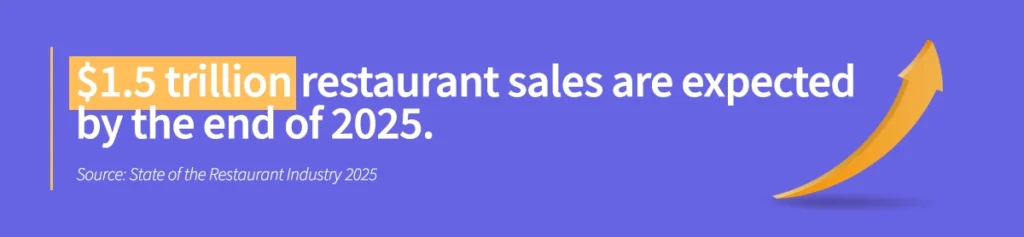
Whether you’re a single-unit owner or overseeing multiple locations, these lessons can help you tighten the ship, save time and money, and deliver a better experience for your team and your guests.
Here are some common mistakes in restaurant operations management and how to avoid them:
1. Ignoring Data-Driven Decisions
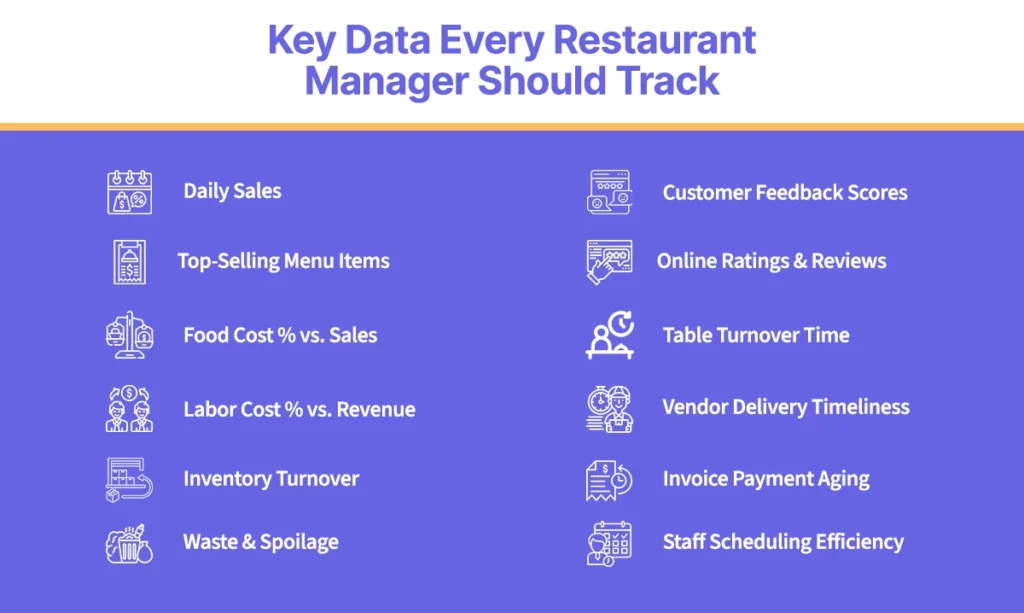
One of the most common and expensive mistakes in restaurant operations management is relying on gut instinct instead of hard data. While experience and intuition have their place, they’re no substitute for real numbers when you’re making decisions that affect profitability, efficiency, and customer satisfaction.
restaurants Frequently operate without clear visibility into their own performance. They guess which menu items are popular, estimate labor needs based on memory, or assume a busy night equals a profitable one. But without tracking the right data, it’s impossible to know what’s really working and what’s quietly draining your margins.
Data is also critical in forecasting. If you can’t see patterns in sales volume, labor costs, or vendor performance over time, how can you plan for seasonal demand, optimize staffing, or negotiate better pricing?
Solution:
Start with the basics. Use a system to track daily sales and restaurant performance. Add on tools that help with vendor management, maintenance scheduling, expense tracking, task management, etc. And make reviewing these numbers part of your regular routine and not just something you check when things go wrong.
When data becomes a normal part of how you make decisions, you’ll stop guessing and start managing with confidence. That’s what modern restaurant operations management looks like; systems and insights that put you in control, rather than reactive guesswork that leaves money on the table.
2. Inefficient Inventory Management
If you’re running out of key ingredients too often or throwing away food at the end of every week, your inventory system isn’t working. This is one of the most common problems in restaurant operations management, and it costs more than most operators realize.
Many restaurants still rely on manual inventory checks, rough estimates, or outdated spreadsheets. When inventory isn’t tracked properly, two things happen: you either overstock items that go bad before they’re used, or you understock and run out during service. In both cases, you’re losing money.
According to Food & Hospitality Asia, a poor inventory control can cause restaurants to lose up to 11% of their annual revenue due to stockouts and overstocking, underscoring the financial impact of inefficient inventory management.
Another issue is theft and shrinkage i.e. when ingredients go missing, get misused, or aren’t accounted for correctly. Without a reliable system in place, you can’t spot the patterns or prevent them.
Solution:
To avoid this mistake, restaurants need to treat inventory management as a daily operational priority, not a monthly chore. Tools like inventory management software can help track stock levels in real time, flag slow-moving items, and forecast what needs to be reordered based on usage trends. Predictive inventory management is identified as a top 10 trend for 2025, reducing waste and optimizing stock. The goal is simple: know what you have, know what you need, and make sure nothing gets wasted in between.
Getting inventory under control doesn’t just protect your food costs. It also gives you the confidence to price your menu properly, reduce spoilage, and stay consistent with what’s available to your guests. In a business with razor-thin margins, those small wins add up fast.
Efficient inventory tracking is no longer optional, it’s essential for any restaurant aiming to run a smoother, more profitable operation.
3. Poor Staff Scheduling
Ask any restaurant manager and they’ll tell you that getting the staff schedule right is one of the hardest parts of the job. When it’s done well, service flows smoothly and labor costs stay in check. But when it’s done poorly, you feel it right away. Guests wait longer, the kitchen falls behind, and your team burns out fast.
One of the biggest mistakes in restaurant operations management is scheduling based on habit instead of data. Too many managers build schedules the same way every week without looking at sales trends, events, weather, or historical data. That’s how you end up with too many people on slow shifts and not enough during rushes.
It’s not just bad for business, it’s bad for morale. Staff get frustrated when they’re constantly overwhelmed or sent home early with fewer hours than expected. Over time, it leads to burnout, higher turnover, and poor service.
Solution:
Start by using your data to look at sales by hour and day of the week. Match staffing levels to actual customer flow, not just your gut feeling. A report from Restaurant Technology News indicates that 37% of operators are investing in automation, including 28% adopting AI-driven workforce solutions. Hence, use scheduling software that shows you labor cost forecasts as you build the schedule, so you’re not guessing. And make it easy for staff to swap shifts or request time off in advance, so you’re not scrambling last-minute.
Smart scheduling is about making sure your team has what they need to succeed. When the front and back of house are properly staffed, everything runs better: guests get seated faster, tickets flow smoothly, and no one feels like they’re drowning. And when your staff feels supported, they stick around longer and deliver better service.
4. Mistake 4: No SOPs or Daily Checklists
In many restaurants, everyone does things their own way. One person closes the kitchen differently than the next. A new staff member isn’t sure how to set up a station. The vendor order might get sent or forgotten. When there are no written rules or systems, things fall through the cracks. Tasks get missed. People blame each other. And managers spend more time fixing problems that could’ve been prevented.
This happens when there are no Standard Operating Procedures (SOPs) — step-by-step guides that show how daily tasks should be done. It also happens when there are no daily checklists to keep track of what’s been completed. Without both, there’s confusion and inconsistency across every shift.
Solution:
Start by writing down simple instructions for your most important tasks, such as opening/closing the restaurant, daily/weekly/monthly cleaning, restocking the prep station, handling a vendor call, and so on. These SOPs should be easy to follow and part of every employee’s training. Use them to set one standard way of working, so that things get done right, every time.
Next, create a daily checklist for each shift. It can be printed or digital, as long as it’s used. Assign who’s responsible for what. Review the checklist before the shift ends to make sure nothing was missed. Over time, this creates habits and builds accountability.
SOPs give your team structure. Checklists keep the day on track. Together, they reduce stress, improve service, and make your restaurant more reliable, no matter who’s working that day.
5. Inadequate Training Programs
You hire a new team member and expect them to “pick it up as they go.” They shadow another employee for a shift or two and then get thrown into service. The problem? They don’t really understand the systems, the expectations, or the standards and it shows.
Untrained staff make more mistakes, move slower, and feel more stressed. They give inconsistent service and often leave sooner. In the rush of daily operations, training becomes an afterthought but that leads to bigger problems down the line.
Solution:
Training shouldn’t be a one-time task; it should be a system. Create a basic training plan for every role in the restaurant: how to use the POS, prep properly, clean correctly, and interact with guests. Use simple tools like printed guides, checklists, or short demo videos to support your team.
Training doesn’t have to take weeks. But it does need to be clear, repeatable, and followed. And it doesn’t stop after day one. Offer refreshers, check in during the first few weeks, and encourage questions. When your staff feels confident, they perform better and they’re more likely to stay.
In restaurant operations management, good training is one of the easiest ways to reduce errors, improve service, and protect your brand.
6. Avoiding Technology
Some restaurant owners still think tech is only for big chains. They stick to manual logbooks, paper invoices, handwritten schedules, and memory. It worked in the past — so why change it now?
But this mindset is costing time, money, and control. Manual processes are slow, error-prone, and hard to scale. They create bottlenecks and blind spots. In today’s restaurant industry, avoiding technology isn’t staying loyal to tradition, it’s falling behind.
Solution:
You don’t need to buy every gadget out there. But you do need tools that solve real problems, like tracking repairs, logging expenses, managing vendors, and organizing approvals. Even small changes, like switching to digital checklists or using a cloud-based scheduling app, can save hours and reduce stress.
Modern restaurant management platforms are designed to simplify your life and not complicate it. When your systems talk to each other, and your data lives in one place, it becomes easier to spot issues, make decisions, and grow.
Tech isn’t replacing people. It’s helping them work smarter. And in restaurant operations management, that’s not just a bonus, it’s a must.
7. Poor Financial Management
You’re selling food every day. The dining room looks busy. But at the end of the month, there’s barely enough to cover payroll and you’re not sure why. This is a classic sign of poor financial management, and it’s more common than most restaurant owners like to admit.
Many restaurants track sales, but not their spending. Expenses like vendor payments, repairs, overtime, refunds, or wasted food go untracked. Bills get paid late. Invoices pile up. And without clear reports, it’s impossible to see where the money is going or how much is really left.
Some restaurants also run without a proper budget. They make decisions based on the bank balance instead of real financial planning. This reactive approach leads to overspending, cash flow issues, and surprise costs that could’ve been avoided.
Solution:
Start by organizing your finances. Use software or a restaurant management platform that helps you track your spending by category: labor, food, maintenance, marketing, etc. Upload your invoices as they come in. Review expenses weekly, not just at the end of the month.
Build a simple budget that sets targets for each part of your business. Compare your actual spending to those targets and adjust where needed. It doesn’t have to be perfect but even basic visibility helps you make smarter decisions.
Also, look at your accounts payable process. Are invoices sitting in someone’s inbox? Are late fees piling up? Automating your AP flow can save time, reduce errors, and improve your relationships with vendors.
8. Neglecting Customer Feedback
You’re running a busy shift, and a guest mentions their pasta was too salty. Another says they waited too long for their check. It doesn’t sound like a big deal in the moment, so you nod, move on, and forget it. But over time, those little pieces of feedback stack up. If no one listens or follows up, you miss real chances to fix problems.
Many restaurants don’t have any system for collecting customer feedback. Compliments and complaints are treated casually, never written down, and rarely shared with the team. Eventually, people stop giving feedback altogether because nothing changes.
Solution:
Treat feedback like data because it is. Make it easy for customers to share their thoughts: through staff conversations, comment cards, or digital surveys. After every shift, ask your team what they heard from guests. Keep a small notebook or digital log to track patterns over time.
If multiple people complain about the same thing, take action. If people keep praising a certain dish or server, highlight it. Small changes based on customer input can lead to major improvements in service, speed, and satisfaction.
When you truly listen, your guests feel heard and they’re more likely to return. Ignoring feedback might feel easier in the short term, but in restaurant operations management, silence is usually a warning sign.
And remember, some of the most honest feedback doesn’t happen in person, it happens online.
9. Mistake: Poor Vendor Management (and No Way to Track It)
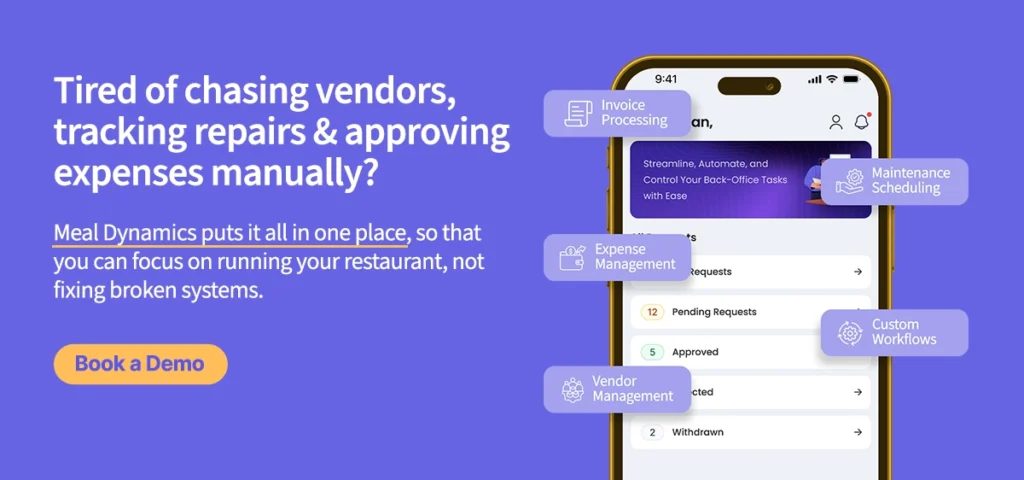
You pick a vendor because they’re cheap, local, or someone recommended them. But now the deliveries are late, produce quality has dropped, and your team wastes time chasing follow-ups. The fryer breaks, and no one’s sure who fixed it last, or if it’s even been fixed properly. What’s really missing is a better system.
When vendor activity isn’t tracked, whether it’s for food supply, repairs, or maintenance; small issues get ignored. And over time, those delays, costs, and breakdowns start to wear your team down and hurt your operations.
Solution:
Start making vendor management structured, reviewed, and consistent. Track things like on-time deliveries, quality, communication, and how fast vendors respond when something goes wrong. Keep a proper record, not just in someone’s head or inbox.
Automating basic workflows like repair requests, quote comparisons, and invoice reviews helps reduce back-and-forth and gives you a clearer picture of what’s really working, and what’s not.
When your vendor relationships are organized and transparent, it’s easier to catch red flags early, make smarter decisions, and avoid scrambling during service. In restaurant operations management, clean vendor systems lead to cleaner operations everywhere else.
10. Not Giving Staff What They Need & When They Need It
Mistake:
It’s a busy shift, and your team is already stretched. The gloves run out. The new host doesn’t know the table layout. A cooler has been acting up for days, but no one knows if it’s been reported. The manager can’t find the last vendor invoice. And the dishwasher calls out again, but there’s no backup plan.
These kinds of issues aren’t just frustrating, they’re signs that your staff doesn’t have the support they need. When teams are left to figure things out on the fly, service slows down, stress builds up, and morale drops fast.
The mistake here isn’t just missing a supply order. It’s not setting your team up for success with the tools, training, communication, and systems they need to run the restaurant smoothly.
Solution:
Think beyond just equipment and inventory. Support your team with:
- Access to information — vendor contacts, repair history, SOPs, shift notes
- Prep and task checklists — updated daily, easy to follow
- Clear role definitions — so no one’s confused about who’s responsible for what
- Ongoing training — especially when menu items or procedures change
- A system to report issues — and get real follow-up
- Fair, balanced schedules — to avoid burnout
- The right tools at the right time — from gloves to working POS systems
All of this needs to be part of the daily workflow — not just something you deal with once it becomes a problem.
Use digital systems to centralize key info and keep teams aligned. Make sure managers check supplies before shifts start. Encourage open communication so team members feel safe speaking up when something’s missing or broken.
When your team has what they need, they move faster, serve better, and feel more confident. In restaurant operations management, removing friction is one of the best things you can do for performance and retention.
11. Ignoring Issues Until It’s Too Late
Too often in restaurants, small issues are ignored until they become big, expensive problems. The cooler has been making strange noises for a week. A server’s been asking about a flickering light in the dining area. The prep station layout is slowing everyone down, but no one brings it up or if they do, nothing happens. Then one day the cooler breaks completely, the light goes out during dinner rush, and the kitchen bottlenecks again and now it’s an emergency.
In the middle of a busy day, it’s easy to say “I’ll deal with it later.” But later doesn’t come and the cost of waiting is almost always higher. A recent report found that 61% of restaurant operators say unexpected equipment breakdowns are one of their top three operational challenges in 2025. Most of these breakdowns could have been prevented with earlier attention and proper tracking.
Solution:
Create a habit and a system for logging and following up on issues right away. Whether it’s a loose handle, a tech glitch, or a maintenance concern, get it written down, assigned, and tracked. Use a shared log or digital tool where team members can submit and view updates.
Create a simple emergency plan for key equipment. Start with a list of your critical systems, like refrigeration, cooking equipment, POS, and HVAC. Then list your preferred vendors or repair technicians for each, along with phone numbers, hours, and typical response times. Make sure this info is accessible to all managers, not just buried in someone’s email.
Also, think ahead. Have a few backup options: Where would you store food if the cooler breaks? Can you switch to a smaller menu if the grill goes down? What’s your plan if the internet fails?
More importantly, train your managers to act early, not only when something breaks. Set a culture of prevention, where small problems are taken seriously before they grow.
When issues are tracked, documented, and resolved quickly, your restaurant runs smoother, your costs go down, and your team feels heard. That’s real restaurant operations management: being proactive, not reactive.
12. Poor Hygiene Standards
You may have the tastiest food and the friendliest staff but if the restrooms smell, the counters are sticky, or tables aren’t wiped properly, guests are going to notice and remember. Hygiene isn’t just a health requirement, it’s part of the experience.
Some restaurants assume if no one complains, things are fine. But the truth is, guests rarely point out cleanliness issues, they just don’t return. Worse, poor hygiene can lead to food safety violations, sick staff, and even shut-downs from health inspectors.
Solution:
Make cleanliness part of your daily routine, not just a deep-clean task once a week. Create simple cleaning checklists by area: kitchen, dining room, restrooms, storage, and front of house. Assign them to specific staff on every shift, and verify they’re completed.
Train your team to understand the “why,” not just the “what.” Clean spaces build trust, protect health, and leave a good impression. Don’t wait for a complaint, make hygiene a visible priority every day as clean restaurants run better, feel better and help build customer loyalty.
13. No Central System & Visibility Across Locations
One location uses paper logs. Another tracks expenses in a spreadsheet. Repairs are handled over text. Vendor approvals live in someone’s inbox. There’s no central place where everything comes together and that means owners and operators are constantly chasing information.
For single-unit restaurants, this leads to confusion and delays. For multi-unit groups, it becomes nearly impossible to get a clear picture of what’s happening across all locations without calling managers or visiting in person.
Without real-time visibility, you miss red flags, like overspending, unpaid invoices, or repeated equipment failures. Problems grow while you’re still piecing together the story.
Solution:
Move your operations into one platform. That means a system where you can track expenses, repairs, vendor activity, and approvals, all in one place, accessible to the right people. It should update in real time and be easy to use from mobile or desktop.
When everything lives in a central hub, you don’t need to chase down data or rely on daily phone calls. You can see where the money’s going, which vendors are delayed, what repairs are pending, and which store is falling behind.
This kind of visibility gives you control, not just over one location, but your entire business. And in restaurant operations management, that clarity is what separates smooth-running restaurants from the ones that are always in crisis mode.
14. Not Benchmarking or Reviewing Ops Metrics
You don’t know how long it takes for invoices to get paid. You’re not sure which vendor costs have gone up. You haven’t checked how often equipment breaks down, how much overtime you’re paying, or which location spends the most on repairs. You’re running the restaurant but you’re not tracking how well it’s running.
This is a major gap in operations management: when restaurant owners or managers aren’t measuring performance over time. Without clear metrics or benchmarks, you’re flying blind. You can’t fix what you don’t see, and you can’t improve what you’re not measuring.
Solution:
Pick a few key metrics that matter to your daily operations. For example:
- How many days it takes to pay vendors
- How much is being spent on repairs each month
- How often equipment breaks down
- Total labor cost as a percentage of sales
- Time from invoice to approval
Set simple monthly benchmarks, even rough targets and review them regularly. Use a dashboard or centralized system that tracks this data automatically so you’re not chasing spreadsheets.
Over time, these numbers tell a story. You’ll start to notice which vendors are getting slower, which stores are more expensive to run, and where small tweaks could save thousands.
In restaurant operations management, numbers don’t lie. Reviewing them consistently is how good operators become great ones.
15. Relying on Verbal Communication for Critical Tasks
A server says, “I told the manager the fryer was acting up.”
The manager says, “The vendor said he’d send the invoice.”
A line cook says, “I thought someone else was handling it.”
When things are shared verbally and only verbally, details get lost, misunderstood, or forgotten. This leads to delays, duplicate work, missed repairs, and a lot of finger-pointing when something goes wrong.
In a fast-moving restaurant, relying on memory or quick conversations to manage critical tasks is risky. There’s no paper trail, no accountability, and no way to track follow-through. Everyone assumes someone else handled it.
Solution:
Make it a habit to write things down and keep everything in one place. Use a shared digital log or platform to track vendor issues, repair requests, shift notes, and anything that requires follow-up. Even something as simple as a shared Google Doc is better than a hallway conversation.
Encourage team members to log what they report or request, and train managers to check these logs daily. When tasks and requests are written down, nothing slips through the cracks and no one has to rely on memory.
In restaurant operations management, clear written communication builds trust, speeds up problem-solving, and holds everyone accountable. It’s not about micromanaging, it’s about making sure things actually get done.
16. Hiring the Wrong People
You needed someone fast, so you hired whoever was available. They had the experience, but not the attitude. Or they looked good on paper, but didn’t mesh with the team. Now you’ve got drama in the kitchen, missed shifts, poor service, or worse, and you’re back to hiring again in a few weeks. It’s not just you, the restaurant industry in the U.S has one of the highest turnover rates.
But what does it mean? Well, hiring the wrong people costs more than you think! It wastes training hours, lowers morale, and increases turnover. According to recent industry estimates, replacing just one restaurant employee can cost between $1,500 and $5,000, once you factor in hiring, onboarding, and lost productivity.
The truth is that soft skills matter just as much as technical ability. In a high-pressure, fast-moving environment like a restaurant, being calm, respectful, adaptable, and a team player can make or break the shift. One person with a bad attitude can drag down the whole team, even if they know how to cook or serve.
Solution:
Hire for attitude, not just availability. Look for people who are reliable, respectful, and team-oriented, even if they have less experience. Use short trial shifts or working interviews to see how they perform in real situations. Ask your team for feedback before making a final decision.
Also, don’t rush the process. Being short-staffed for a few days is far better than bringing in someone who disrupts the flow of your team.
In restaurant operations management, your people are your culture. The right hires don’t just cover shifts, they set the tone for your entire business.
17. Ignoring Customer Retention
You spend money on ads, run promotions, and try to attract new guests but forget about the ones who already walked through your door. That’s a big mistake. Acquiring new customers is important, but keeping them is what builds lasting success.
If you’re not following up, not rewarding loyalty, and not staying in touch, you’re missing out on one of the most valuable parts of your business: repeat guests. And it’s not just about revenue, returning customers are more forgiving, more loyal, and more likely to refer others.
According to Harvard Business Review, increasing customer retention by just 5% can boost profits by 25% to 95%.
Solution:
Make retention part of your operations strategy. Use simple tools like loyalty programs, personalized SMS or email follow-ups, and guest notes (favorite dishes, birthdays, etc.) to build a connection. Say thank you. Invite them back. Offer a reason to return.
You don’t need fancy tech to do this. Just consistency, attention, and a little creativity. Make it someone’s job to follow up with guests and monitor return rates.
In restaurant operations management, retention isn’t just about marketing, it’s a daily habit that helps your business grow from the inside out.
18. Poor Online Reputation Management
A guest leaves a two-star review on Google. They say the food was great, but the service was slow. You see it, but you don’t respond. Another customer messages your Instagram page with a question, but no one checks the inbox. Slowly, your online presence starts to fade and so does your credibility.
Too many restaurants overlook how important their digital reputation is. 88% of diners trust online reviews as much as personal recommendations and 68% of consumers form their opinions after reading just one to six reviews. What people see online often decides whether they walk through your doors at all.
If you’re not actively managing your reviews and platforms, you’re letting others control the story of your brand.
Solution:
Assign someone, such as a manager, a social media lead, or even the owner to check your reviews daily and respond to them. It doesn’t take long. A simple “Thanks for the kind words!” or “We’re sorry about your experience, and we’d love to make it right” goes a long way.
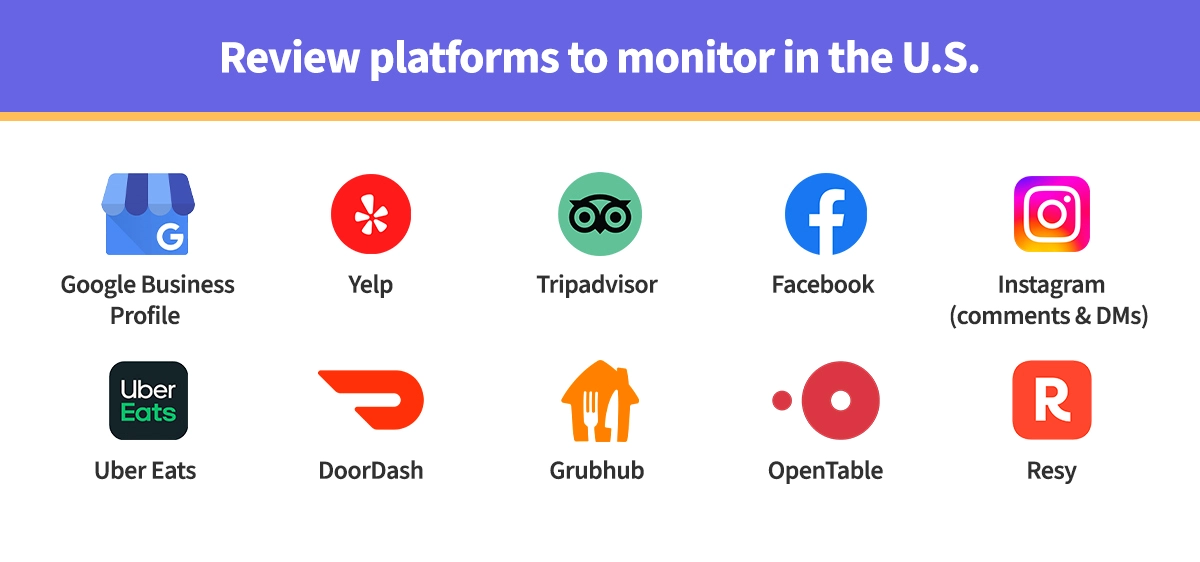
Update your pages regularly. Make sure your hours, photos, menu, and contact info are current. Engage with your audience on platforms like Instagram, Facebook, and Google Business Profile. And don’t panic over one bad review, it’s your consistent response that builds trust over time.
Your online presence is often your first impression. In restaurant operations management, that’s not just marketing, it’s reputation control. And in 2025, reputation is everything.
19. Outdated Food or Restaurant Trends
You’re still running the same menu from five years ago. The decor hasn’t changed. There’s no option for takeout packaging that travels well. Meanwhile, your competitors are offering plant-based dishes, local ingredients, QR code menus, and loyalty programs that keep guests coming back.
If you ignore what’s changing in the industry or assume it doesn’t apply to you, guests will feel it. You might not hear complaints, but you’ll see it in your declining foot traffic, lack of buzz, and fewer return visits.
Solution:
You don’t need to chase every trend. But you do need to show your guests you’re paying attention. In 2024–2025, diners have responded positively to:
- Smaller, more focused menus with standout signature items
- Plant-based and gluten-free options, even for non-vegan guests
- Transparent kitchens and locally sourced ingredients
- Ambiance and decor that reflect a clear vibe, not just utility
- Tech tools like QR code menus, digital waitlists, and loyalty rewards
Start small: run a seasonal special, update your plating, refresh the playlist. Ask customers what they’d like to see. Make a few thoughtful changes and track what works.
In restaurant operations management, staying relevant is part of staying competitive. And when you adapt trends with purpose, you give guests a reason to return and talk about you.
How Meal Dynamics Can Help You
Most of these restaurant operation management mistakes happen because there’s no clear system; things get forgotten, delayed, or done differently at every location. That’s where Meal Dynamics comes in. Built by restaurant owners for restaurant owners, it helps you stay on top of vendor management, repair tracking, expense approvals, accounts payable and much more without the chaos.
According to our recent customer feedback survey, operators report that Meal Dynamics saves them tons of time and simplifies their entire process. They love how easy it is to use, how smoothly it fits into their workflow, and how it keeps getting better with every update.
You get real-time visibility, fewer surprises, and more control over your day-to-day operations. It’s not about adding more work, it’s about making the work you already do smoother, faster, and smarter.
Frequently Asked Questions
What’s the most common operations mistake restaurants make?
Poor communication and lack of clear systems; it leads to missed tasks, delays, and unnecessary costs.
How can I improve day-to-day operations without hiring more staff?
Use tech like Meal Dynamics to streamline vendor tracking, repairs, approvals, and spending, all from one dashboard.
What’s the first step to fixing my restaurant’s operations?
Start by identifying what’s not being tracked, whether it’s expenses, repairs, or daily checklists. Visibility is the foundation.